In India, no festival arrives quietly. It comes with drums, sweets, new clothes, crowded markets and, almost always, with words arranged beautifully. A grandmother recites a verse while lighting the evening lamp. Children perform a rhyming skit at the school function. A qawwali rises at a shrine feast, a harvest song rolls across a field, and a witty couplet opens the community gathering. This living tradition of festival poetry in India is one of the oldest forms of celebration in the country, and it remains one of the most joyful.
Festival verses are not locked in libraries. They are sung, forwarded, printed on greeting cards, painted on walls and whispered as blessings over children’s heads. They teach the stories behind the celebration, welcome guests, tease beloved relatives and give thanks for rain, harvest, light and renewal. This article travels through the year of Indian festivals to see how poetry threads through them, and how families today can keep the tradition alive in their own homes.
Verses of Light: Diwali and the Winter Festivals
Diwali, the festival of lights, has inspired centuries of verse about lamps driving away darkness, both in the world and in the heart. Poets compare a row of diyas to stars come down to earth, to hope returning after hardship, and to the victory of knowledge over ignorance. In many homes, elders still recite traditional blessings and aartis in rhyme, while schoolchildren compose their first poems about fireworks, sweets and the story of homecoming that the festival celebrates.
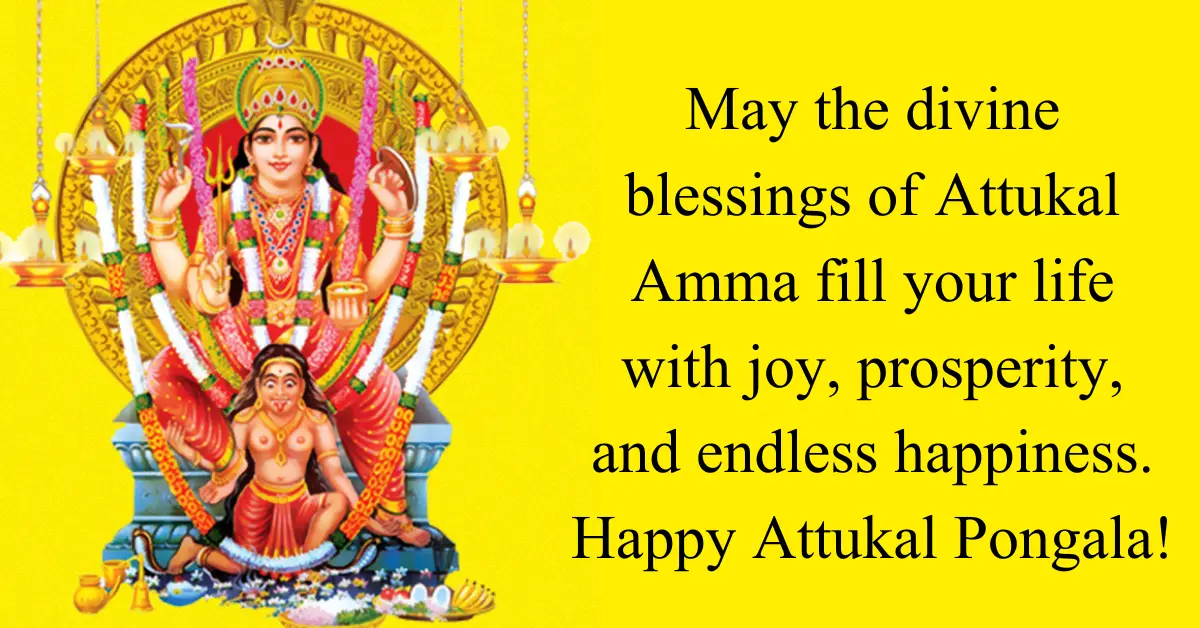
The winter season continues the pattern. Christmas carols in Indian languages bring poetry into churches and streets, Lohri songs circle the bonfire with jokes and blessings for newborns and newlyweds, and Pongal and Makar Sankranti verses thank the sun for the harvest. Each celebration adds its own flavour, yet the role of poetry is constant: it turns a date on the calendar into a story a child can carry for life.
Colour, Spring and Song: Holi and Harvest Celebrations
If Diwali poetry glows, Holi poetry splashes. The festival of colours has a centuries-old tradition of playful, teasing verse, from devotional songs imagining divine lovers playing Holi to folk rhymes sung while drums beat in village lanes. Spring festivals across India, from Baisakhi in the north to Bihu in Assam and Vishu in Kerala, greet new crops and new years with songs that praise rivers, fields and the labour of farmers.
These harvest poems deserve special attention, because they preserve knowledge as well as joy. Old verses remember the names of winds and rains, the signs of a good season and the gratitude owed to the earth. When a community sings them together, poetry becomes both a celebration and a library, passing practical wisdom down in a form no one forgets, because everyone is humming it.
More from our site: readers who enjoy the lighter side of celebration often browse our other popular features too, including a look at the Chicken Road crash game and why mobile players love its quick sessions, during the quiet afternoons between festivities.
Devotion in Verse: Poems of Faith and Gathering
Many of India’s greatest poems were born as festival devotion. Bhakti poets composed verses to be sung on saint days and temple festivals, in languages ordinary people spoke, and their lines are still performed centuries later. Eid gatherings feature poetry of gratitude and brotherhood, Guru Nanak’s verses anchor Sikh celebrations in humility and service, and Navratri nights fill with rhythmic garba lyrics that entire neighbourhoods dance to together.
What unites these traditions is participation. Festival poetry is rarely a performance by one expert for a silent audience. It invites everyone in: the chorus anyone can join, the couplet guests take turns reciting, the blessing grandparents and grandchildren say together. In that sense a festival poem is less like a book and more like a rangoli, beautiful partly because so many hands helped make it.
How Families Keep the Tradition Alive Today
Modern celebrations have added new stages for old art. Families share verses in group messages on festival mornings, schools hold poetry competitions themed on the season, and housing societies organise evenings where elders recite the poems of their childhood. Recording a grandparent’s favourite festival verse, in their own voice, is one of the most precious gifts a family can preserve, and writing one new couplet together each year turns tradition from something inherited into something created.
Technology helps when it is used thoughtfully. A shared family note of festival poems, growing year by year, becomes a treasure no printed book can match. Just remember to keep your devices and apps in order while you collect and share, a habit our guide to common app permissions mistakes to avoid covers in simple language for every member of the family.
More from our site: between festival preparations, many of our regular readers also enjoyed our feature on Rainbet casino and fast-paced gaming for players who like quick decisions, one of the most visited articles on the site this season.
Writing Your Own Festival Poem
You do not need to be a trained poet to add a verse to your family’s celebration. Begin with one image: the first lamp lit, the first colour thrown, the smell of the festival sweet in the kitchen. Add one blessing or one joke, keep the lines short enough to chant, and let rhythm matter more than perfection. A poem the whole family can repeat after one hearing has done its job beautifully.
Schools and neighbourhood groups can help too, with very little effort. A festival-week poetry corner in a library, a morning assembly where one student reads a seasonal verse each day, or a community board where residents pin their favourite lines all invite quiet participation. Children who grow up hearing celebration and poetry woven together rarely need to be persuaded later that literature matters. They have already felt, in the middle of their happiest days, how the right words at the right moment can make a whole room feel closer, kinder and more awake to the meaning of the occasion.
That is the enduring secret of festival poetry in this country. It belongs to everyone, it renews itself every year, and it binds memory, faith, food and laughter into a few shining lines. This festival season, alongside the sweets and the lights, offer a verse. It may be the gift your family keeps the longest.